The Role of Carpeting in Office Ergonomics and Comfort
When designing an office, it’s easy to focus on furniture, lighting, and layout while overlooking the subtle but powerful influence of flooring. Yet, carpeting plays a significant role in creating a productive office environment. From enhancing physical comfort to contributing to overall well-being, the right carpet can transform workplaces into hubs of energy and focus. Let’s explore the surprising ways office carpet ergonomics affect comfort, health, and productivity.
Carpeting: The Foundation of Office Comfort
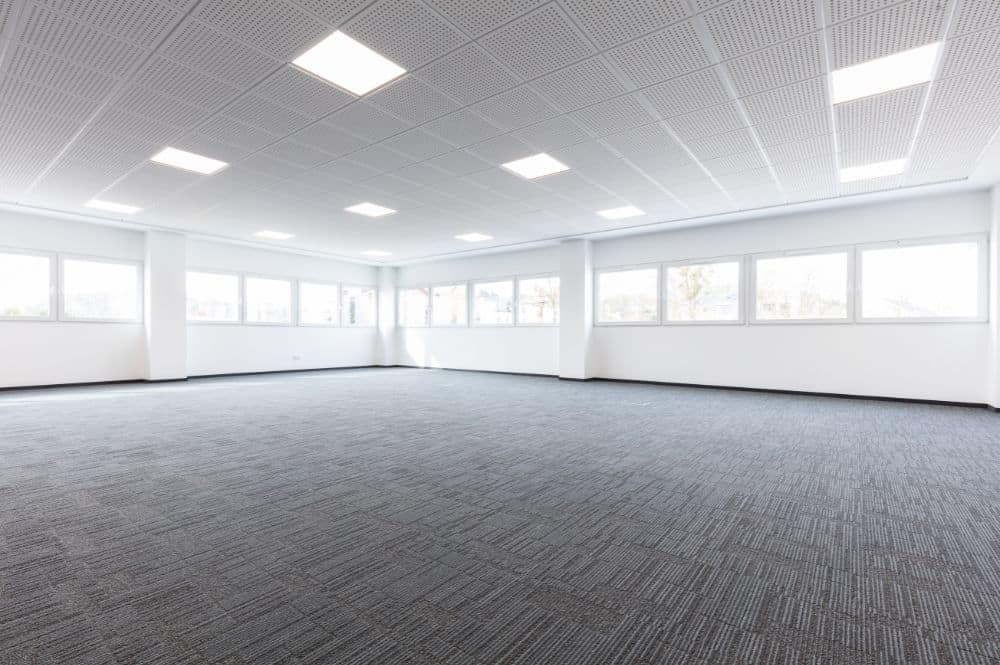
Carpeting is more than a decorative element; it’s a crucial component of a workspace’s ergonomic design. One of its standout benefits is noise reduction. In bustling offices where conversations, footsteps, and the hum of machines collide, carpeting absorbs sound and minimizes distractions. This quieter environment can help employees focus better, fostering a more productive office environment.
Physical comfort is another significant advantage. Standing desks and dynamic workstations are increasingly popular, but they can lead to fatigue without proper flooring. Carpets provide a layer of cushioning that reduces strain on feet, knees, and joints. Over time, this can make a substantial difference in employee satisfaction and productivity.
Carpets also enhance safety. Unlike hard flooring, which can become slippery or hazardous, carpeting provides better grip and reduces the risk of accidents. For offices aiming to balance style with functionality, carpeting is an unbeatable choice.
How Carpeting Promotes Employee Well-Being
Enhanced Physical Comfort and Stability
The benefits of carpeting go far beyond noise control. Well-maintained carpets provide a layer of cushioning that significantly enhances physical comfort. Employees who spend hours standing or walking can experience reduced strain on their feet, knees, and joints. This cushioning effect is especially beneficial in offices with standing desks or dynamic workstations, where prolonged standing can lead to fatigue.
Carpets also stabilize furniture, particularly office chairs. Unlike hard flooring where chairs may roll unexpectedly, carpeting helps keep chairs in place. This added stability reduces the need for constant adjustments, which can strain muscles over time. It’s a small detail that can make a big difference in ergonomic support, helping employees maintain better posture and avoid unnecessary physical stress.
Health Benefits of Cleaner Carpets
The health benefits of carpeting extend to air quality as well. Carpets act as natural filters, trapping dust, allergens, and pollutants that would otherwise circulate in the air. This contributes to a healthier indoor environment, particularly for employees with allergies or respiratory sensitivities. However, these benefits are only realized with regular maintenance. Without professional cleaning, carpets can become a reservoir for these trapped particles, potentially worsening air quality and negating their advantages.
Choosing the Perfect Carpet for Your Office
Selecting the right carpet involves more than picking a color. The material must be durable enough to withstand high foot traffic while providing the necessary ergonomic benefits. Wool blends, nylon, and eco-friendly options are excellent choices that balance durability with comfort.
Color and design also matter. Neutral tones can create a calming atmosphere, while bold patterns might energize the space. The key is finding a style that aligns with your brand and supports the desired office ambiance.
For businesses focused on sustainability, eco-friendly carpets made from recycled materials can contribute to green office initiatives. These options demonstrate a commitment to the environment while enhancing carpet comfort in workplaces.
Why Maintenance Matters for Office Carpets
Preserving Comfort and Ergonomics
Even the highest-quality carpet requires regular maintenance to uphold its benefits. Over time, dirt, allergens, and debris accumulate deep within the carpet fibers, compromising its comfort and functionality. Without proper care, the cushioning effect of the carpet diminishes, making it less effective in reducing strain on feet and joints. Additionally, as debris builds up, it can cause uneven surfaces that undermine office carpet ergonomics, creating potential discomfort and safety hazards for employees.
Enhancing Air Quality and Employee Health
Carpets act as natural air filters, trapping pollutants like dust, allergens, and bacteria. While this is a major health benefit, it also makes carpets susceptible to becoming a reservoir for harmful particles if not regularly cleaned. Poorly maintained carpets can release these particles back into the air, negatively impacting indoor air quality and potentially causing respiratory issues for employees. Regular professional cleaning is critical to remove deeply embedded pollutants, ensuring that carpets continue to promote a healthy and productive office environment.
Extending Carpet Lifespan
Regular maintenance doesn’t just improve comfort and health—it also extends the life of your carpet. Dirt and debris trapped in the fibers can cause premature wear and tear, leading to visible damage and the need for costly replacements. Professional cleaning removes these abrasive particles, preserving the carpet’s structure and appearance. For businesses, this translates to long-term cost savings and a consistently polished workplace aesthetic.
The Role of Professional Cleaning
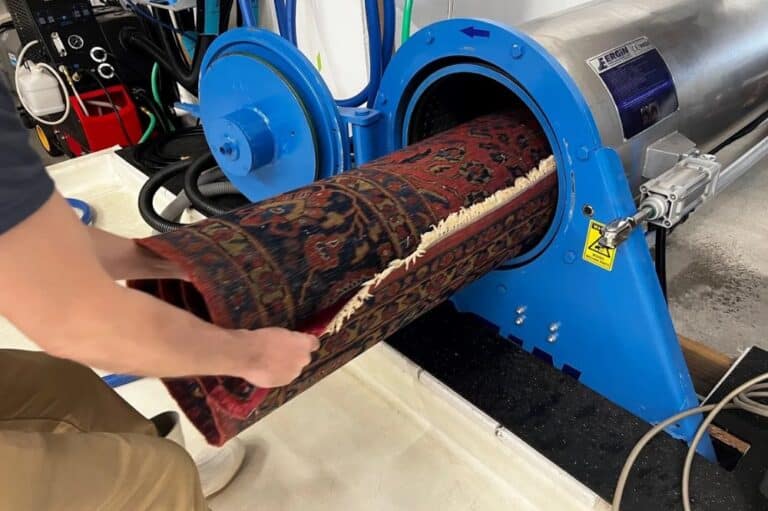
While standard vacuums and DIY cleaning methods can handle surface-level dirt, they are no match for deeply embedded debris. Professional services, like those provided by Fiber Specialties, are essential for thoroughly cleaning and revitalizing carpets. With advanced tools and techniques, Certified Master Rug Cleaners can eliminate the dirt and allergens that regular cleaning methods miss. Fiber Specialties’ specialized facility ensures carpets are treated with care and expertise, delivering a level of cleanliness that enhances both office carpet ergonomics and overall comfort.
Take the First Step Toward a Better Office Environment
Carpeting is an unsung hero in office design, contributing to comfort, safety, and well-being in ways that are often overlooked. By investing in the right carpet and maintaining it with professional care, businesses can create a workspace that supports both physical and mental health. From reducing noise to improving air quality, carpeting’s role in office ergonomics is undeniable.Ready to elevate your office with cleaner, more comfortable carpets? Contact Fiber Specialties today to learn more about their specialized cleaning services and how they can help create a healthier, more productive office environment. Your employees—and your bottom line—will thank you.