How To Choose The Right Area Rug For Your Space
Choosing area rugs can feel like a daunting task. With so many sizes, materials, and styles available, how do you ensure you’re making the right decision for your space? Whether you’re trying to bring warmth to your living room, add a touch of luxury to your bedroom, or find the best rugs for your home’s high-traffic areas, this area rug buying guide will walk you through everything you need to know to make a confident choice.
The Right Size Matters More Than You Think
Size isn’t just about filling a space; it’s about creating balance and harmony in a room. In the living room, for instance, you don’t want a rug that’s too small, leaving your furniture floating awkwardly around it. Opt for an 8×10 or 9×12 rug that fits under all your seating arrangements. This not only anchors the room but also gives it a cohesive feel.
Bedrooms, on the other hand, call for a different approach. Imagine stepping out of bed in the morning, your feet landing on a soft, plush rug. For this, a rug that extends on all sides of the bed is ideal. But don’t worry if your bedroom is on the smaller side—placing smaller rugs on either side of the bed can create the same cozy effect without overwhelming the space.
Dining rooms require careful consideration as well. The last thing you want is for your guests to struggle with chair legs that catch on the edge of a rug. To avoid this, choose a rug that accommodates the entire dining set, even when chairs are pulled out. A general rule of thumb is to add at least 24 inches to the table’s dimensions.
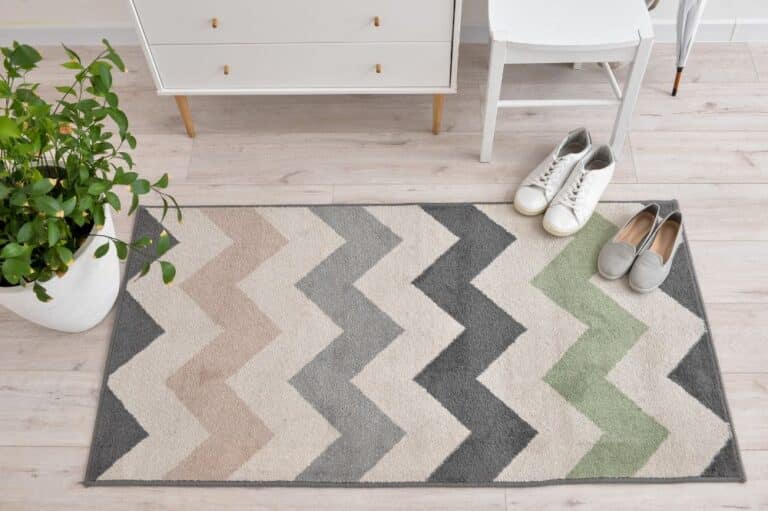
Don’t forget about the smaller areas like entryways and hallways. Here, runners or smaller rugs can make a big impact, welcoming guests with style and protecting your floors from wear and tear. When choosing area rugs for these spaces, remember that the right size can make all the difference.
Material Matters: From Wool To Natural Fibers
The material of your rug plays a crucial role in its durability, feel, and maintenance.
Wool Rugs: Wool rugs, for example, are a classic choice for high-traffic areas like living rooms. They are naturally stain-resistant, incredibly durable, and feel wonderfully soft underfoot. Wool also adds a layer of insulation, making it one of the best rugs for your home if you’re looking to keep things cozy.
Cotton Rugs: If you’re after something more budget-friendly, cotton rugs might be your go-to. They are easy to clean, come in a variety of patterns, and work well in casual settings like kitchens or kids’ rooms. However, cotton doesn’t have the same longevity as wool, so it’s best used in lower-traffic areas.
Silk Rugs: For a touch of luxury, consider silk or silk-blend rugs. These rugs are known for their intricate designs and rich colors, making them perfect for low-traffic areas like bedrooms or formal living rooms. While they may be more delicate, the elegance they bring to a space is unmatched.
Synthetic Fiber Rugs: On the other end of the spectrum, synthetic fibers like nylon or polyester offer practicality and affordability. These rugs are often stain-resistant and easy to clean, making them ideal for families with pets or young children.
Natural Fiber Rugs: Natural fibers such as jute or sisal bring an earthy, textured look to your home. They’re eco-friendly and perfect for adding a rustic charm to your decor. However, they can be rough underfoot and aren’t the best choice for areas where comfort is a priority.
Style: The Final Piece Of The Puzzle
Once you’ve nailed down the size and material, it’s time to think about style. The right style can either make your rug the star of the room or let it quietly complement the rest of your decor.
Traditional Rugs: Traditional rugs, with their ornate patterns and rich history, bring a sense of elegance and timelessness to formal spaces. Think Persian or Oriental rugs, which are not just floor coverings but works of art.
Modern Rugs: Modern rugs are all about bold patterns and vibrant colors. They’re the best rugs for your home if you want to make a statement. A modern rug can instantly update a room, adding a splash of color or an eye-catching geometric design.
Transitional Rugs: If you’re torn between traditional and modern, transitional rugs offer the best of both worlds. These rugs blend classic and contemporary elements, making them versatile enough to work in a variety of settings.
Vintage and Distressed Rugs: Vintage and distressed rugs are also making a comeback. Their worn-in look adds character and warmth, making them perfect for creating a lived-in, cozy atmosphere. And if you’re lucky enough to own an heirloom rug, you’ll want to take special care of it to ensure it lasts for generations. That’s where professional cleaning and maintenance come in.
Fiber Specialties: The Key To Rug Longevity
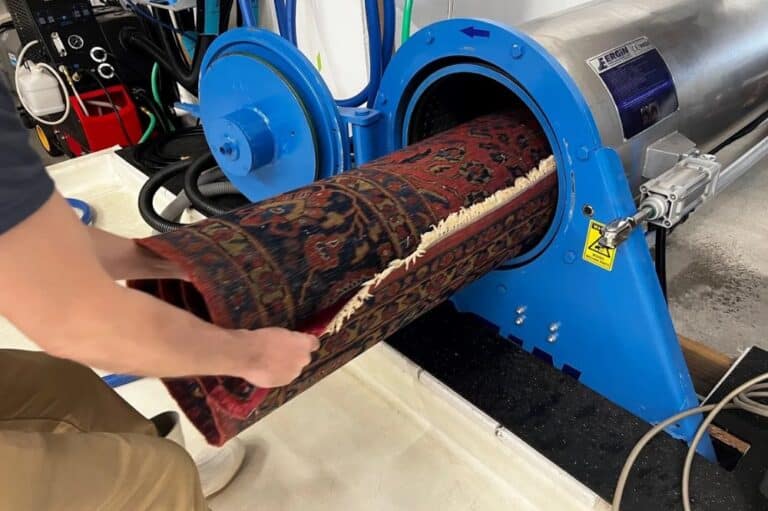
You’ve invested in the perfect rug; now it’s time to protect that investment. Fiber Specialties isn’t just another cleaning service. We are experts in area rug care, particularly when it comes to heirloom rugs. Our facility is equipped to handle the most delicate rugs, using specialized techniques to clean, dust, and flush them according to the best practices in the industry.
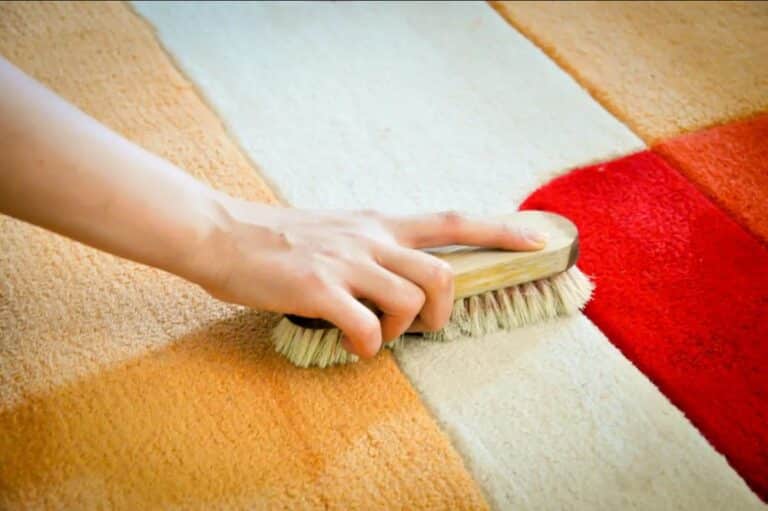
Our cleaning process ensures that your rug is free from dirt, allergens, and stains, all while preserving its vibrant colors and soft fibers. Whether it’s a vintage rug that’s seen better days or a modern rug that needs a refresh, Fiber Specialties has the expertise to restore it to its former glory.
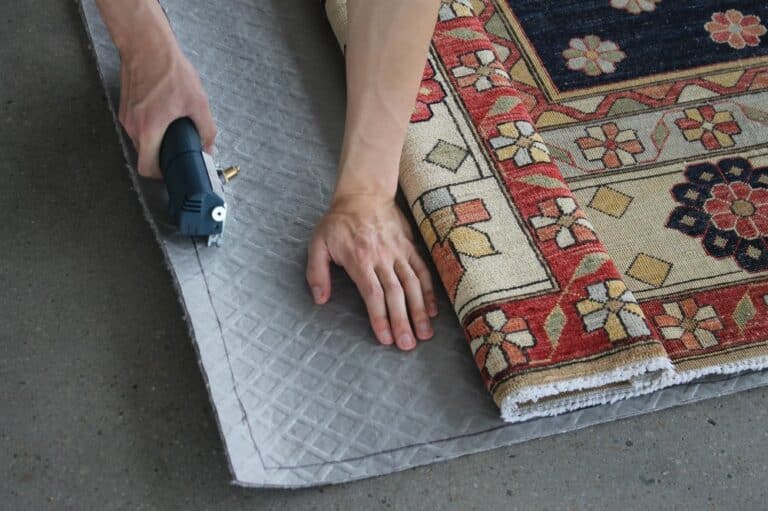
We also offer repair and restoration services, breathing new life into rugs that have been damaged or worn. From repairing edges and reweaving sections to fixing fringe and correcting color fading, our skilled technicians can handle it all.When it comes to choosing area rugs, don’t leave anything to chance. Use this area rug buying guide to make informed decisions about the best rugs for your home, and connect with Fiber Specialties to keep them looking their best for years to come.