Why Professional Carpet Repair Is Crucial For The Aviation Industry
Every detail matters in the competitive world of aviation. From the gleaming exterior of an aircraft to the pristine interiors, the condition of an airplane speaks volumes about an airline’s commitment to quality and safety. Among the many facets of aircraft upkeep, aviation carpet repair stands out as a critical component in maintaining both safety and aesthetics.
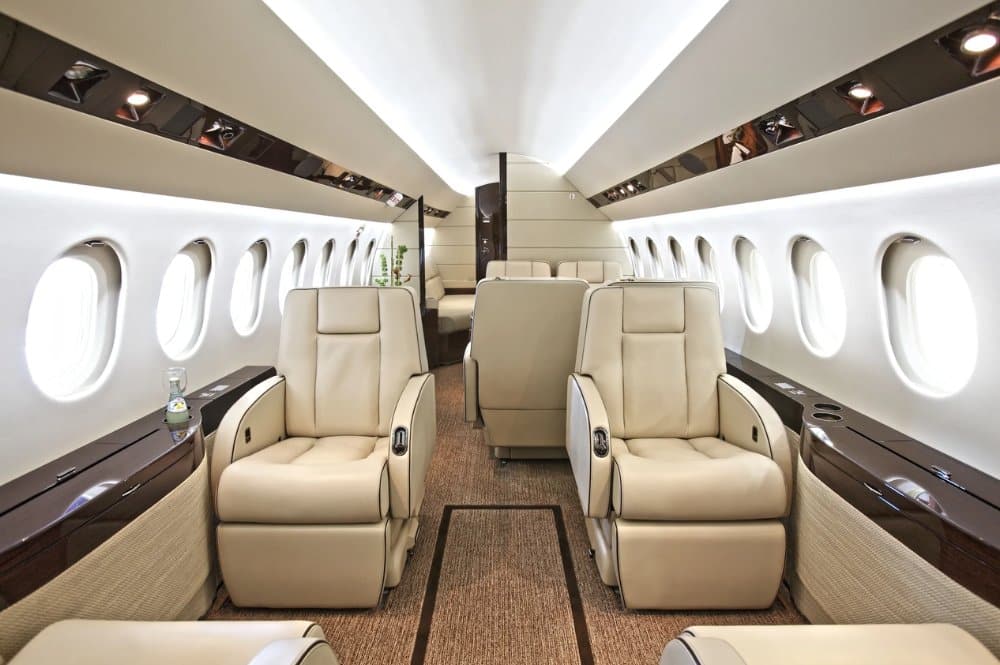
The journey to an unforgettable flying experience begins the moment passengers step onto the aircraft, and their first impression is often influenced by the cleanliness and condition of the cabin—starting with the carpet beneath their feet.
The Vital Role of Aircraft Interiors in Safety and Comfort
The interiors of an aircraft are more than just functional spaces; they are environments where safety and comfort converge. Aircraft carpets, subjected to heavy foot traffic, spills, and the daily grind of air travel, are crucial to this environment. Over time, carpets can develop frayed edges, stains, and worn patches—issues that may seem cosmetic but can pose serious safety risks. Imagine a passenger or crew member tripping over a frayed carpet during turbulence or an emergency—such scenarios underscore the importance of regular and professional carpet repair.
Professional carpet restoration aviation services address these issues head-on. By repairing and maintaining carpets, these services ensure that the interior of the aircraft remains not only visually appealing but also safe for all onboard. A well-maintained carpet reduces tripping hazards, provides a stable walking surface, and contributes to the overall safety of the cabin.
Moreover, the aesthetic value of clean, plush carpeting cannot be overstated. It enhances the passenger experience, making them feel more comfortable and valued, and reflects positively on the airline’s brand.
Fiber Specialities: Expertise That Soars Above The Rest
When it comes to aviation carpet repair, Fiber Specialties brings a level of expertise that is unmatched in the industry. With decades of experience in professional carpet restoration aviation, Fiber Specialties has developed a reputation for excellence that few can rival. Our team includes three Certified Master Rug Cleaners, specialists who are trained to handle the unique challenges of aircraft carpet maintenance with precision and care.
Fiber Specialties is not just about meeting industry standards—we exceed them. Our IICRC and Woolsafe cleanings are performed with the utmost attention to detail, ensuring that even the most delicate interior finishes are protected. Whether it’s routine maintenance or a high-level restorative service, Fiber Specialties delivers results that speak for themselves.
Innovating For Efficiency and Excellence
One of the standout features of Fiber Specialties’ service is our pioneering “on wing” cleaning processes. This innovative approach allows carpets to be cleaned and restored without removing them from the aircraft, significantly reducing downtime and operational disruptions. For airlines, this means that their fleet can spend more time in the air, where it belongs, rather than being grounded for maintenance.
But no two aircraft are the same, and each presents its own unique challenges. Fiber Specialties understands this and offers bespoke solutions tailored to the specific needs of each client. Whether it’s dealing with stubborn stains, persistent odors, or the wear and tear that comes with heavy use, Fiber Specialties has the expertise to provide solutions that are both effective and efficient.
Nationwide Service and Expertise On Demand
Fiber Specialties’ commitment to excellence is evident in our nationwide service offerings. Whether it’s a scheduled maintenance job or an emergency cleaning, our hotshot team is ready to travel across the country to ensure that your aircraft remains in peak condition. This nationwide reach ensures that no matter where your aircraft is located, you can access top-tier professional carpet restoration aviation services.
In addition to our own highly skilled team, Fiber Specialties has trained professionals in various locations who use their proprietary techniques and products. This network of experts ensures consistent, high-quality results, no matter where the service is performed, making Fiber Specialties a trusted partner in maintaining the interiors of aircraft across the country.
The Ultimate Solution For Aircraft Interiors
Since 2015, Fiber Specialties has been offering a comprehensive range of disinfection, sanitizing, and odor removal services. We specialize in removing stubborn odors from aircraft, whether it’s mildew, smoke, or food-related smells. Our IICRC Odor Control Certified personnel use pH-neutral solutions that are safe for delicate interior finishes, ensuring that your aircraft not only looks clean but also smells fresh and inviting.In the world of aviation, where the stakes are high, the condition of your aircraft’s interior can make all the difference. Investing in professional carpet restoration aviation is not just about maintaining appearances—it’s about ensuring safety, comfort, and a positive passenger experience. Connect with us today to get started on bringing your aircraft to the next level.