Top 5 Mistakes To Avoid When Buying A Rug Pad
When it comes to preserving the beauty and lifespan of your cherished area rugs, the unsung hero often lies beneath the surface—the rug pad. Yet, in the rush to protect our investments, many of us fall into common pitfalls that can compromise both the rug and the floor beneath it.
Knowing the buying rug pad mistakes that homeowners frequently make can save you from headaches down the line. Let’s delve into the top errors and how you can avoid them with some practical rug pad-buying tips.
1. The Perils of Choosing the Wrong Size
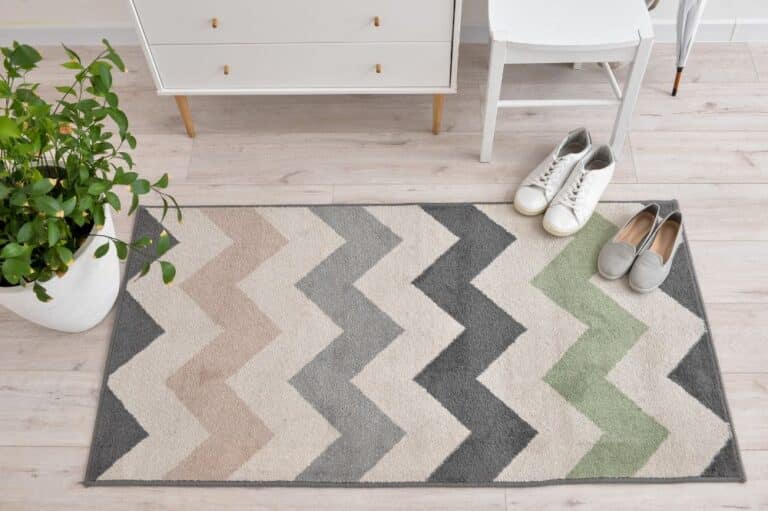
One of the most prevalent buying rug pad mistakes is selecting the wrong size. It seems straightforward—measure the rug and pick a pad. However, size missteps can lead to significant issues. A rug pad that’s too small leaves edges unsupported, causing them to curl and create tripping hazards. On the other hand, a pad that’s too large may peek out from under the rug, disrupting the aesthetic and exposing the pad to dirt and wear.
Here’s a nugget of wisdom: don’t just measure the rug; measure the space. Consider the exact dimensions and allow for a slight margin to ensure the pad remains discreetly tucked beneath your rug. Choosing rug pads wisely means ensuring they fit like a glove, enhancing not only safety but also the overall look of your space.
2. Ignoring Material Compatibility with Flooring
Imagine investing in a stunning hardwood floor only to discover that your rug pad has left it scratched, discolored, or worse. This nightmare scenario is often the result of ignoring material compatibility—a crucial rug pad buying tip. Not all rug pads are created equal, and some materials can react poorly with specific types of flooring.
For instance, natural rubber pads are generally safe for hardwood floors, but synthetic options like PVC can trap moisture and cause harm. Likewise, some foam pads might leave imprints on soft floors. To avoid such costly mistakes, always check the compatibility of the rug pad material with your flooring. Better yet, consult with experts like those at Fiber Specialties, who can guide you toward making a choice that protects your floor while enhancing your rug’s longevity.
3. Falling for the Cheapest Option
Who doesn’t love a bargain? But when it comes to rug pads, opting for the cheapest option is a classic example of penny-wise, pound-foolish thinking. This ranks high among buying rug pad mistakes because a low-cost pad often means low quality. What you save upfront, you might end up paying for in comfort, durability, and even safety.
Cheap pads are notorious for wearing out quickly, losing their grip, and failing to provide the necessary cushioning that protects both the rug and the floor. The result? A rug that shifts around, wears unevenly, or worse, causes slips and falls. Choosing rug pads wisely involves recognizing that a small investment in a high-quality pad can extend the life of your rug and enhance the comfort of your living space. Don’t compromise—seek out premium options that offer both durability and performance.
4. Misjudging the Importance of Thickness
Thickness might seem like a minor detail, but it plays a critical role in the functionality of your rug pad. One of the common rug pad buying tips that people overlook is understanding that thicker isn’t always better. The right thickness depends on several factors, including the type of rug, its placement, and the amount of foot traffic it will endure.
A pad that’s too thick under a low-profile rug can create an uneven surface and even block doorways. Conversely, a pad that’s too thin might fail to provide adequate support, leading to faster wear and tear. When choosing rug pads wisely, consider the specific needs of your space. For high-traffic areas, a thicker pad might be suitable, but in areas with less use, a thinner pad can provide just the right amount of cushioning without causing any inconvenience.
5. Neglecting the Rug Pad’s Lifespan
Lastly, a mistake that often flies under the radar is failing to consider the lifespan of the rug pad itself. Rug pads, much like the rugs they support, have a shelf life. Over time, even the highest quality pads will degrade, losing their grip, cushioning, and protective properties. Yet, many homeowners neglect this, leading to prolonged use of worn-out pads that do more harm than good.
Regular inspection and timely replacement are crucial. If you notice your rug pad is no longer providing the same level of comfort or if it’s visibly deteriorating, it’s time to replace it. Remember, a well-maintained rug pad not only protects your rug but also enhances its longevity, keeping your home safe and comfortable.
Elevate Your Rug Care with Expert Guidance
Avoiding these buying rug pad mistakes is essential for anyone who values their area rugs. By following these rug pad buying tips, you can make informed decisions that protect your investment and enhance the comfort of your home. But you don’t have to navigate these choices alone. At Fiber Specialties, we are dedicated to ensuring that every rug in your home is supported by the right rug pad, one that suits your specific needs and flooring. Reach out to us today to explore our range of high-quality options and discover how choosing rug pads wisely can make all the difference.