Your Ultimate Area Rug Cleaning Guide
Area rugs are more than just floor coverings—they add character, comfort, and warmth to any space. However, keeping them clean is essential not only for their aesthetic appeal but also for maintaining a healthy indoor environment. Whether you’ve just purchased a new rug or have an heirloom piece, understanding the best cleaning practices is crucial. This area rug cleaning guide covers everything from DIY rug cleaning tips to when it’s time to seek out the benefits of professional rug cleaning.
DIY Area Rug Cleaning Tips
When it comes to cleaning your area rugs, DIY solutions can be effective for minor spills and regular upkeep. Here’s a breakdown of DIY rug cleaning tips to help you maintain your rugs between professional treatments.
For small spills, immediate action is key. First, blot the area with a clean cloth—never rub, as this can cause the stain to spread. Use mild soap and water for non-delicate rugs, but always test a small, hidden area first to ensure there’s no damage. Remember, using the wrong cleaning agents can permanently discolor or damage your rug, so opt for gentle, eco-friendly solutions.
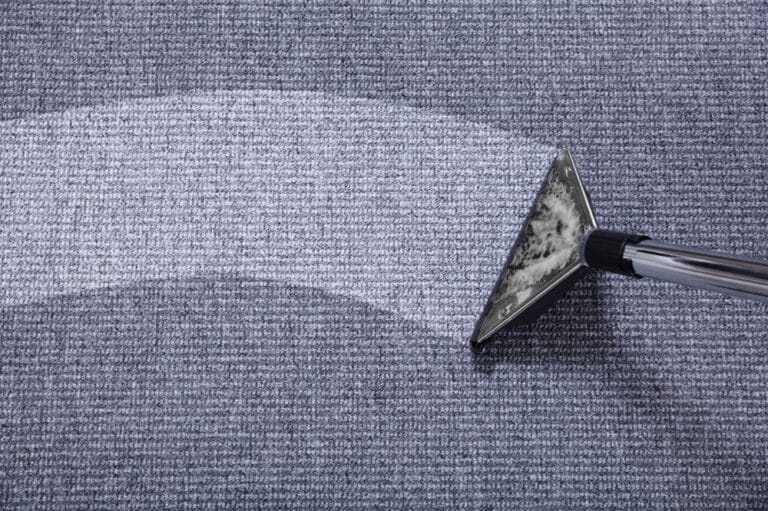
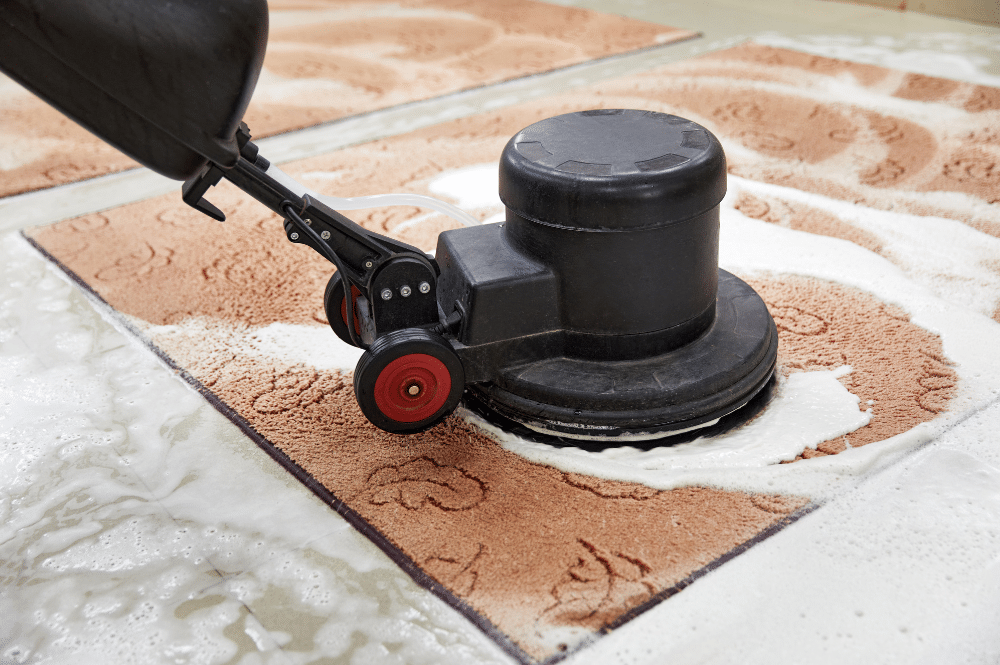
When tackling a deeper clean, vacuuming is your first line of defense. Regular vacuuming removes dust and debris that can damage rug fibers over time. For a deeper clean, you can use a rug shampooer or a homemade solution—mix mild detergent with lukewarm water and gently scrub the rug’s surface.
However, DIY methods have limitations. While they’re great for surface-level dirt and light stains, they often fail to address deeper issues like embedded dirt or stubborn stains. That’s where professional rug cleaning benefits come into play.
Signs It’s Time for Professional Rug Cleaning
Sometimes, no matter how diligent you are with your DIY rug cleaning tips, a rug will still show signs of wear and tear. Here are a few indicators that it’s time to call in the experts for a more thorough cleaning.
Persistent Stains
Persistent stains are a clear sign that DIY methods aren’t cutting it. If you’ve tried everything—scrubbing, blotting, and even homemade solutions—but that stain just won’t budge, professional cleaning is necessary. The same goes for lingering odors. If your area rug smells musty or has absorbed pet odors, it’s time to consider professional odor-elimination techniques.
Discoloration and Odor Issues
Discoloration is another red flag. Over time, dirt can cause your rug’s colors to appear dull or faded, especially in high-traffic areas. Professional cleaning can restore vibrancy, ensuring your rug looks as good as new. Water damage is another serious issue that often requires professional intervention. Rugs exposed to moisture can develop mold or mildew, which can permanently damage the fibers if not treated promptly. If your area rug has a musty odor, it likely has water damage.
General Wear and Tear
Finally, general wear and tear—such as matted fibers or thinning in certain spots—means it’s time to hand the rug over to professionals who can provide the necessary care and repair services to extend its lifespan.
Why Professional Rug Cleaning is Always the Better Choice
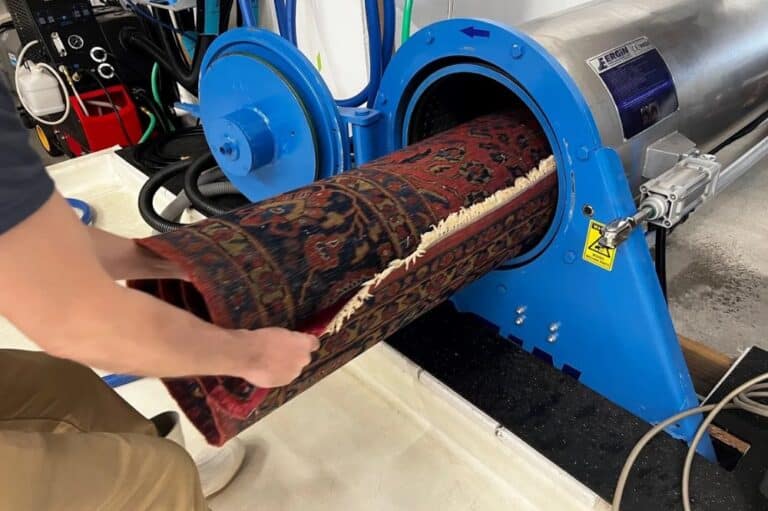
While DIY rug cleaning tips can handle minor spills and surface-level grime, professional rug cleaning benefits go far beyond that. Odor elimination is one of the biggest advantages of having your rugs professionally cleaned. Pets, food spills, and even general daily use can cause rugs to trap odors deep within their fibers—something a DIY clean can’t always fix. Professional cleaning, however, can remove even the most stubborn smells, leaving your rug smelling fresh.
Water damage is another critical issue that professionals can handle more effectively. DIY methods often don’t address the deeper damage caused by water exposure, such as mold growth or fiber weakening. Professional cleaners have the tools and expertise to not only clean but also repair water-damaged rugs, ensuring they stay intact and safe for use.
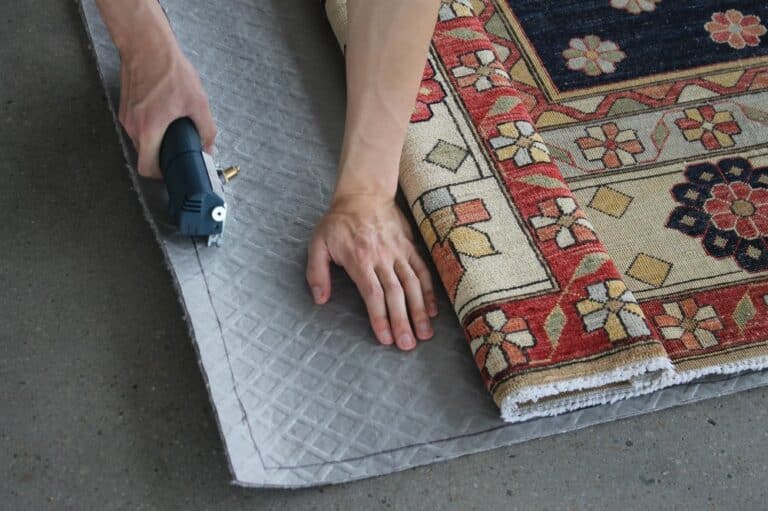
Additionally, professional rug cleaning services offer expert stain removal. Different types of stains—like wine, grease, or ink—require different treatments, and professionals know exactly which method to use based on your rug’s material and dye composition. They also offer repair services that can restore the structural integrity of your rug, including repairing loose or frayed fibers, which is something no DIY method can accomplish.
Moreover, professionals have the expertise to handle delicate or antique rugs that require special care. Heirloom rugs, for example, need to be cleaned with the utmost precision to avoid damage. Fiber Specialties offers advanced techniques that cater to these unique needs, preserving the beauty and longevity of your prized possessions.
Maintaining Your Rug Between Professional Cleanings
To keep your area rug in top shape, regular maintenance is crucial. Vacuuming your rug weekly helps to prevent dirt from becoming embedded in the fibers. Additionally, rotating your rug every few months can help distribute wear evenly and avoid uneven fading in high-traffic areas.
Aside from regular vacuuming, scheduling a professional clean at least once a year is recommended. The benefits of professional rug cleaning extend beyond just removing dirt—they help maintain the rug’s structure, restore its colors, and ensure that it lasts for years to come.
The Fiber Specialties Difference
When it comes to keeping your rugs in the best possible condition, this area rug cleaning guide offers a balance between DIY rug cleaning tips and professional rug cleaning benefits. While DIY cleaning works for small accidents here and there, professional cleaning will always provide the highest quality results, from odor elimination to repair services and water damage prevention.At Fiber Specialties, we offer comprehensive rug cleaning services tailored to your needs. Don’t let spills, stains, or odors ruin the beauty of your area rugs. Contact Fiber Specialties today to schedule a professional rug cleaning that will restore your rugs to their full glory!