The Do’s and Don’ts of Area Rug Maintenance
Area rugs are more than just decorative floor coverings; they’re investments that add warmth, character, and style to any room. But, like any investment, they require proper care to ensure they last. With the right area rug maintenance tips and a little attention to detail, you can extend the life of your rug while maintaining its vibrant colors and plush texture. Whether you’re dealing with an heirloom piece or a modern design, these rug maintenance do’s and don’ts will help you avoid common mistakes and ensure your rug remains a centerpiece for years to come.
Don’t: Skip Vacuuming
Do: Vacuum Regularly and Carefully
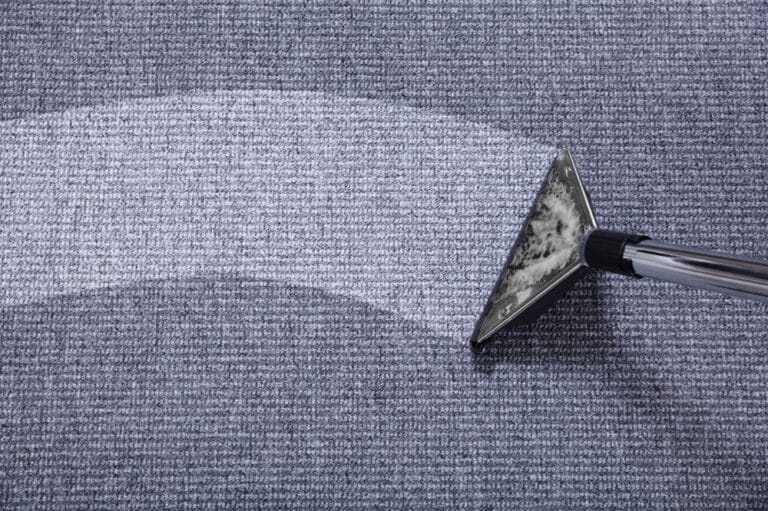
Vacuuming is one of the easiest ways to keep your rug in great shape, yet it’s often overlooked or done incorrectly. Dirt and dust accumulate in rug fibers over time, dulling its appearance and causing wear.
To avoid this, make vacuuming a routine part of your area rug maintenance tips. Use a brushless vacuum attachment to avoid pulling on fibers and causing damage. For deeper cleaning, flip the rug over and vacuum the underside to loosen dirt that has settled.
Don’t: Use Harsh Cleaning Products
Do: Spot Clean with Mild Detergent and Water
Rugs can fall victim to spills and accidents, but one of the biggest rug maintenance don’ts is using harsh cleaning chemicals to treat stains. These can discolor your rug or damage delicate fibers, doing more harm than good.
When caring for your rug, opt for a mild detergent mixed with water. Always test it on a small, inconspicuous area first. Remember, blotting a stain gently is key—rubbing will only push the stain deeper into the rug and can cause it to spread.
Don’t: Leave Your Rug in the Same Spot for Years
Do: Rotate Your Rug Every 6-12 Months
A common mistake people make when caring for their rugs is leaving them in one spot for too long. High-traffic areas can wear down fibers unevenly, causing unsightly patches.
To prevent this, rotate your rug every 6-12 months. This distributes foot traffic and helps preserve the rug’s overall appearance. It’s a simple yet powerful step in your area rug maintenance tips that can significantly extend your rug’s life.
Don’t: Let Stains Sit
Do: Blot Stains Immediately
Spills happen, but letting them sit is a serious rug maintenance don’t. The longer you wait, the more the liquid will seep into the fibers, leading to permanent damage.
When a spill occurs, act quickly. Blot it with a clean cloth to absorb as much of the liquid as possible. Avoid scrubbing the stain, as this can spread it further. For stubborn stains like red wine or pet accidents, quick action is essential, and if the stain persists, it’s time to consider professional cleaning.
Don’t: Skip the Rug Pad
Do: Invest in a High-Quality Rug Pad
Many people overlook the importance of a rug pad, but failing to use one can lead to unnecessary wear and tear. The friction between your rug and the floor can cause damage over time.
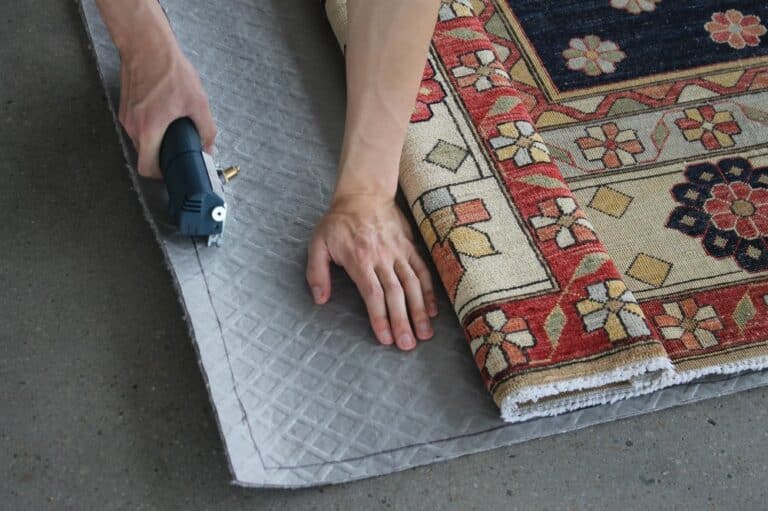
Invest in a high-quality rug pad to provide support and cushioning, which reduces friction and prolongs the life of your rug. This is one of the most important rug maintenance to-do’s, as it not only preserves the rug but also makes it safer by preventing slipping.
Don’t: Expose Your Rug to Prolonged Sunlight
Do: Protect Your Rug from UV Damage
Sunlight can be one of the most damaging elements for rugs. Over time, exposure to direct sunlight can fade the vibrant colors and weaken the fibers.
To prevent this, make sure to limit direct sunlight exposure by using curtains, UV-blocking window film, or rearranging your furniture periodically. Properly caring for your rug includes considering its exposure to the elements, which can significantly impact its longevity.
Don’t: Ignore Wear and Damage
Do: Schedule Professional Deep Cleaning and Repair
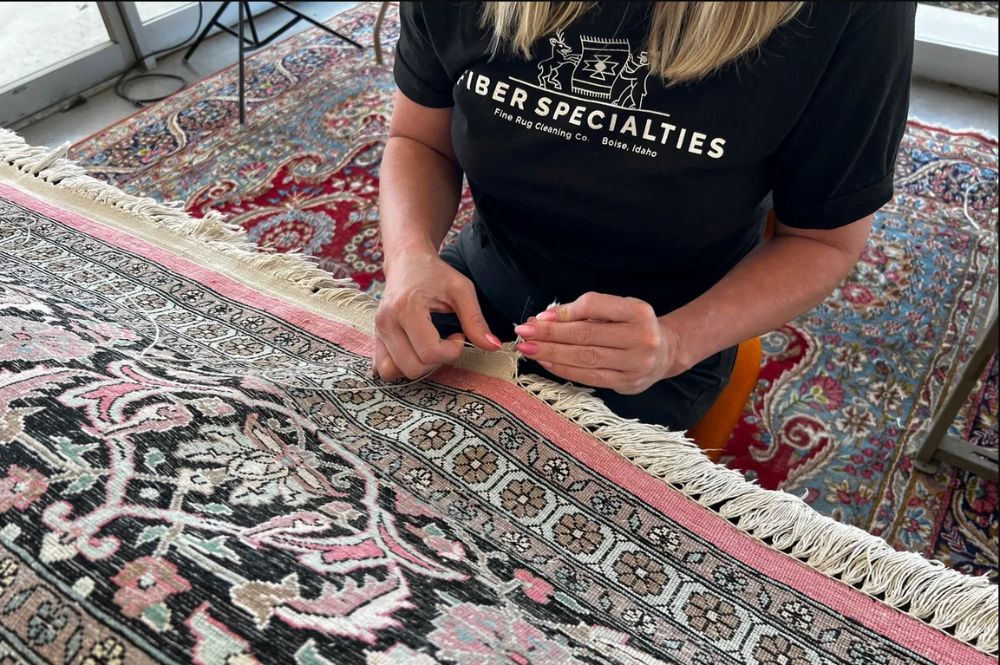
If you wait until your rug is showing serious signs of damage—like fraying edges, holes, or ingrained dirt—it may be too late for a simple at-home fix. Neglecting professional care when it’s needed is a common pitfall in rug maintenance do’s and don’ts.
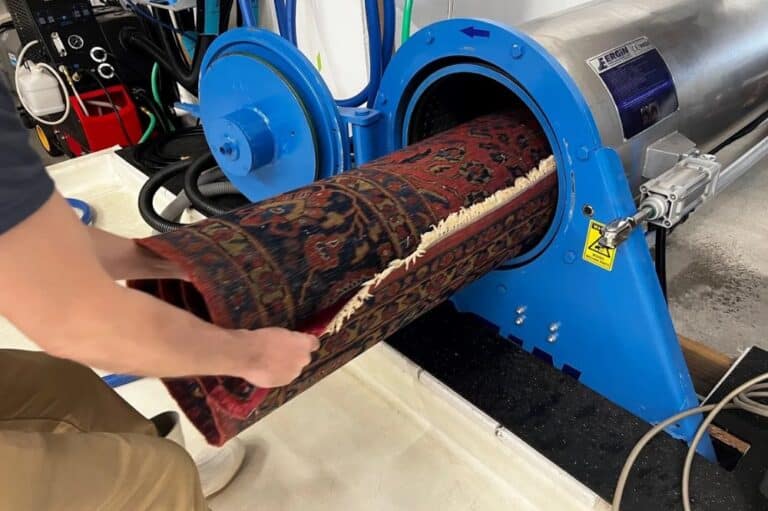
For more serious stains, odors, or damage, it’s best to seek help from a specialist like Fiber Specialties. We offer professional deep cleaning services that go beyond what at-home maintenance can achieve, ensuring your rug remains in excellent condition. Heirloom rugs or those made from delicate materials can greatly benefit from professional care.
Catch problems early by inspecting your rug regularly. Fiber Specialties specializes in repairing damaged rugs, so don’t hesitate to bring yours in for a quick repair. This proactive approach is essential to extending the life of your rug.
Do: Protect Your Rug with Fiber ProTector Treatment
For over 25 years, Fiber ProTector has been the go-to choice for protecting some of the finest textiles in the world. Fiber ProTector is the choice of the most discerning clients, from the interiors of super-modern corporate jets to the rugs and upholstery in Europe’s top hotels. This advanced treatment ensures your rug stays pristine without altering its natural properties, making it an ideal option for long-term rug maintenance.
At Fiber Specialties, we proudly offer Fiber ProTector treatment to preserve the beauty and cleanliness of your area rugs. Using cutting-edge technology, Fiber ProTector not only safeguards your rug from spills, stains, and dirt but also maintains the fabric’s breathability and texture. Whether your rug is made from wool, silk, or synthetic materials, this treatment helps extend its life while keeping it looking as fresh and vibrant as the day you brought it home.
When you’re considering advanced rug maintenance do’s and don’ts, adding Fiber ProTector to your routine is a must for ensuring superior, long-lasting protection.
Keep Your Rug Beautiful with Consistent Care and Professional Expertise
Maintaining your area rug requires a combination of regular care and knowing when to call in the experts. By following these area rug maintenance tips, you’ll keep your rug looking vibrant and well-preserved for years to come.
Remember, the key to caring for your rug lies in being proactive—regular vacuuming, careful cleaning, and professional intervention when needed can save you from costly repairs or replacements in the future. And when the time comes for deep cleaning or repair, Fiber Specialties is here to help, ensuring your rug remains a beloved feature in your home for generations.